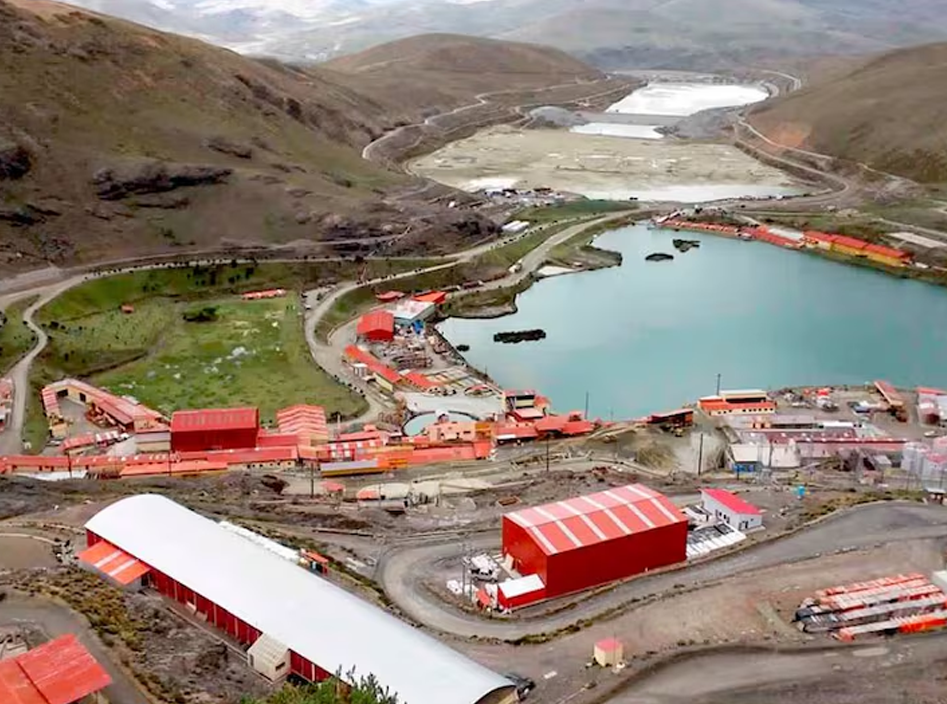
The project, located in Puno, sought to implement a structural fill solution that would allow the exploitation of new reserves and the underground disposal of tailings, aligning with the operational objectives of the San Rafael Mining Unit and the Nazareth Project.
La evaluación técnica consideró múltiples configuraciones y tecnologías, partiendo de cinco (5) alternativas iniciales.
Mediante análisis multicriterio (técnico, económico y de gestión) y el análisis de conos de influencia para optimizar la cobertura de caserones por gravedad, se definió una alternativa híbrida (Alternativa 1C) basada en la planta de relleno integrada subterránea (Alternativa 1A) pero reubicada en las cercanías de la planta existente de San Rafael.
From a hydraulic engineering perspective, the analysis determined that Alternative 1A offers significant advantages: it reduces operational complexity by requiring only one paste pumping station compared to four in Alternative 1C, decreases energy consumption, and simplifies the pumping system. Additionally, cost estimates support this conclusion.